Advocating for responsible tech in your organization
When a feature launch or key deliverable is on the line, the last thing a product team wants to do is slow down – even when there might be a problem. In the face of breakneck deadlines and competing stakeholder priorities, how can you assess the impact of your work and advocate for a more intentional, ethical approach to technology development?
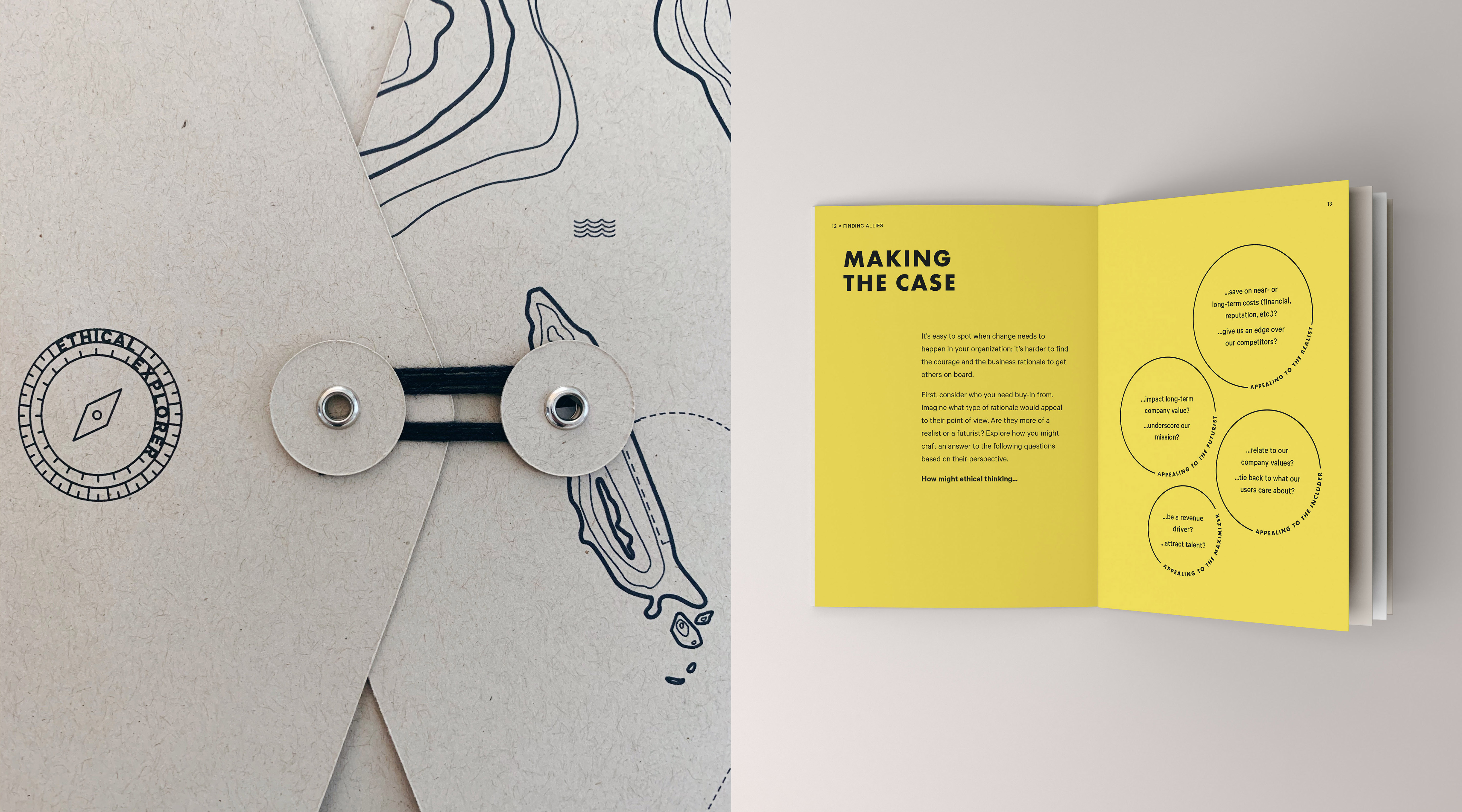
We know tech products have real consequences in the world. Designers and builders like you are increasingly at the forefront of a shift toward more responsible technology. Yet generating awareness and conversation around tech ethics in an organization can feel like an uphill battle, full-time job, and unchartered territory all rolled into one. That’s why Omidyar Network and Artefact partnered to create the Ethical Explorer Pack, a toolkit to help individuals and teams build technology that’s safer, healthier, fairer, and more inclusive for all.
In this webinar, Sarah Drinkwater, Director of Beneficial Technology at Omidyar Network, and Hannah Hoffman, Design Director at Artefact, share the thinking behind the Ethical Explorer Pack and how you can use the toolkit in a variety of situations during the product development life cycle. Download the free toolkit and learn how to advocate for more responsible tech in your organization, no matter your role.
Check out the resources shared by attendees below, and be sure to sign up for our Impact by Design event series to keep the conversation going.
Empathy is Not Enough: How to Take Action Toward Inclusion in Design
Design thinking has helped teams gain empathy and create better experiences for people around the world. Yet sometimes the experiences that result from design thinking processes benefit only the communities and populations that are directly engaged. At other times, it can be hard to advocate for empathy within organizations in a way that effectively informs design. How might we prevent exclusions related to safety, accessibility, and belonging that can result from our designs? How can designers take responsible, inclusive action against daunting, systemic challenges?
As part of the 2020 Seattle Design Festival, our Associate Strategy Director Felix Chang led a participatory session highlighting ways that designers and professionals can take action to increase inclusion through their work.
Attendees had the opportunity to break out into small virtual discussion groups to share best practices and brainstorm actionable ways to foster greater inclusion through the lenses of culture, mindset, and practice. These were some of the key take-aways the group generated together:
Culture
Inclusion is a human act. Establish relationships and build trust within your organization and with diverse communities. Start conversations, get to know people, and schedule one-on-one check-ins to learn about their personal life, not just their work.
Evangelize the value proposition of inclusion to organizations and specific teams to build momentum. Communicate the value in terms of both risks to avoid (i.e. lawsuits) and net-new benefits (i.e. increased market size, improved perceptions of brand).
Normalize and distribute responsibility and accountability for inclusion across the organization, not just for those with specific roles or identities.
Mindset
Retrain your brain to act and focus on impact, rather than intentions, when it comes to inclusive practices.
Make reflecting on exclusion and inclusion a habit. Regularly think about the biases and privileges you and your team bring to your work.
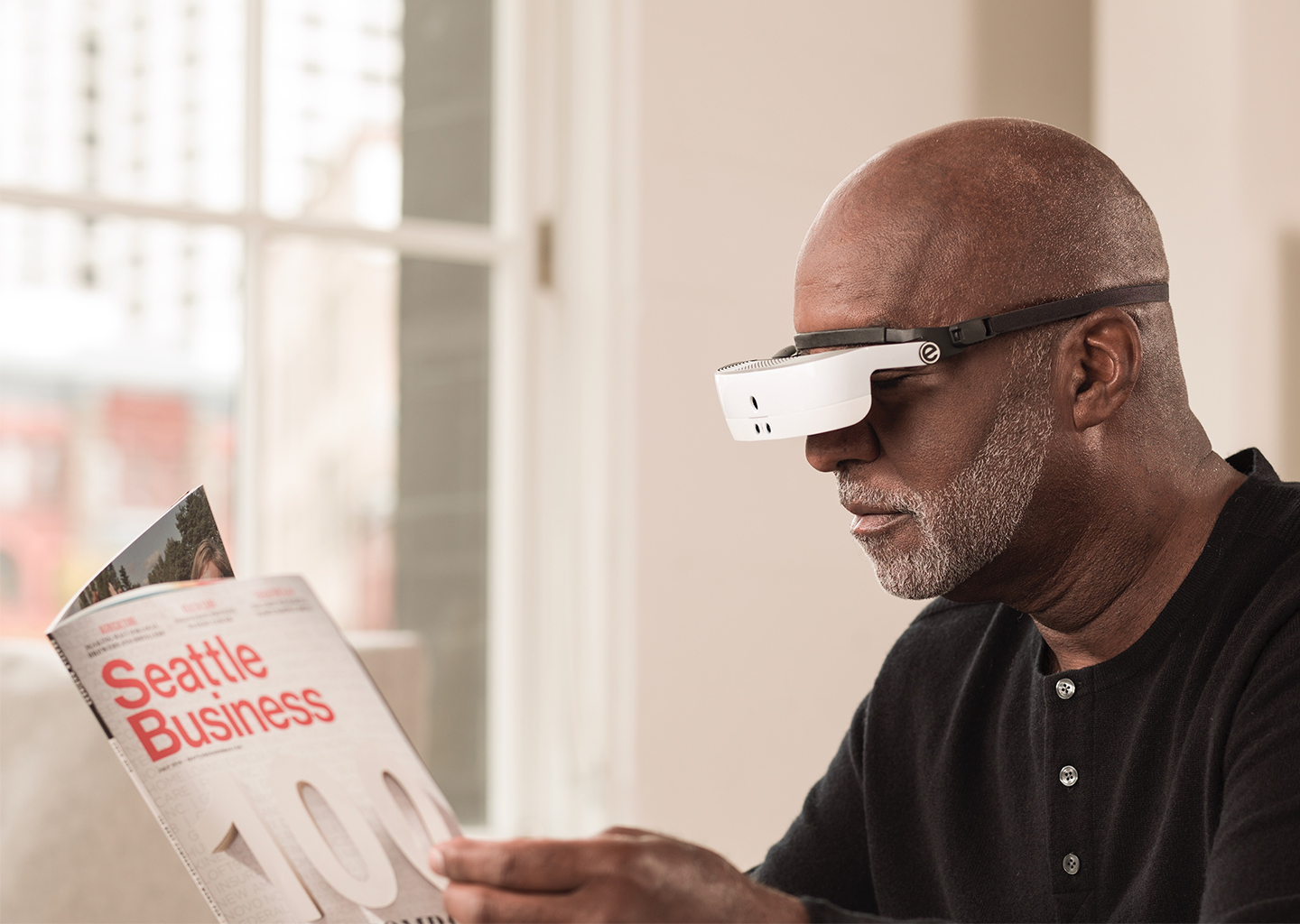
Consider accessibility and belonging when working in new mediums like mixed reality, before they are even built.
Practice
Strengthen communication by establishing and using common, agreed-upon language when discussing inclusion. Avoid using jargon or acronyms.
Create formal spaces to co-create with diverse folks and communities that meet them where they are.
Build in steps for quality assurance for inclusion throughout the product development process.
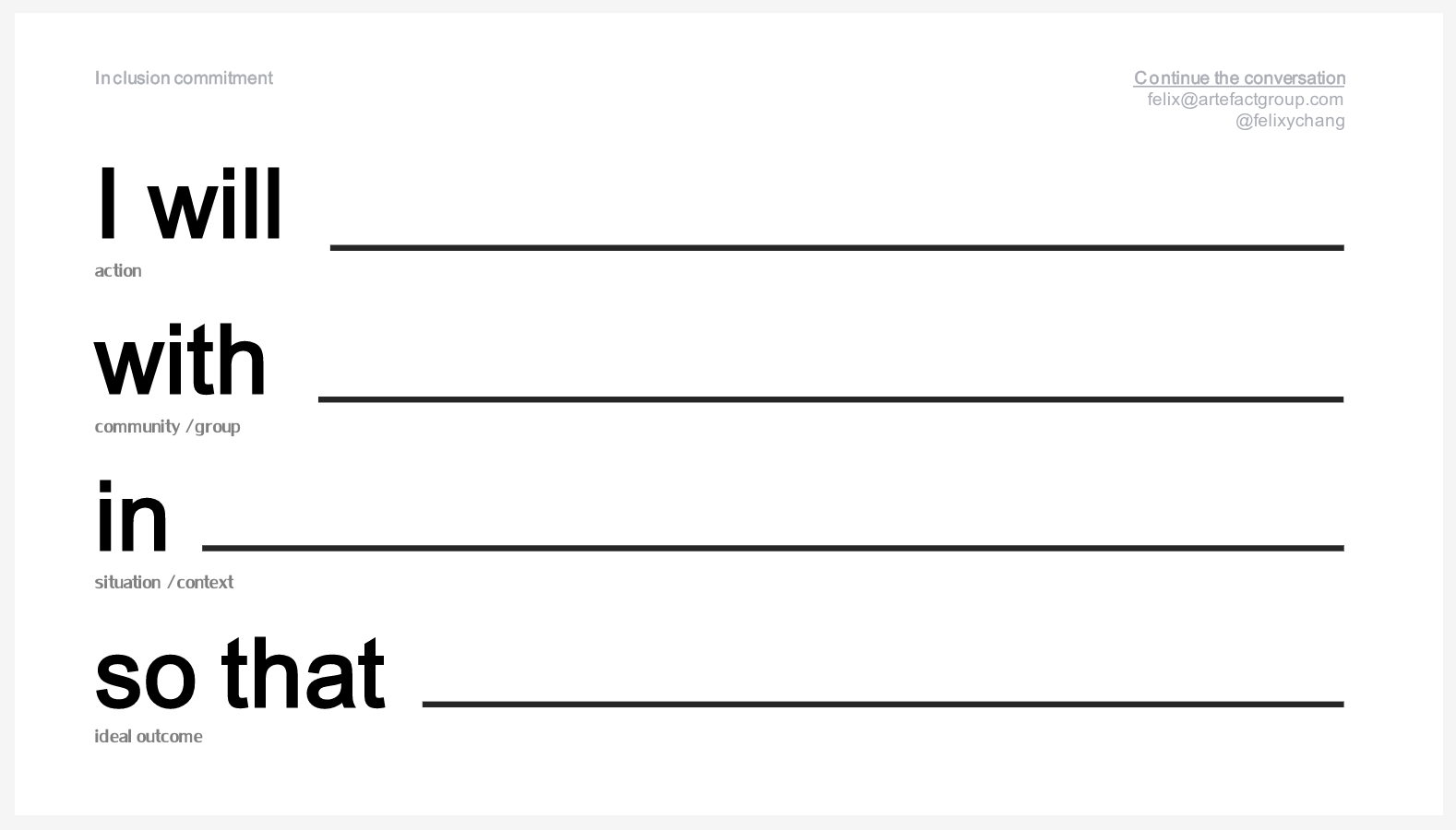
Attendees were then invited to make an inclusion commitment using the form below to put what they learned into practice. How will you work toward practicing inclusion in your team and organization?
To keep the conversation going, be sure to sign up for our Impact by Design event series.
A design solution is only as strong as the research that informs it. Across the wide variety of industries and topics of inquiry we’ve pursued at Artefact, each research undertaking is important in its own way. Despite different approaches and methods, when we go into the field as designers, there are three principles we follow to get the most out of our research:
Analyze in parallel: Analyze findings as we go to jumpstart analysis after research and be efficient with our time.
Expose and collaborate: Give client partners an opportunity to react to what we’re hearing and shape future research sessions.
Focus on delivery: Plan for how to convey findings to design teams and clients in a compelling way.
These principles help us approach each research engagement with a tailored yet efficient approach. Let’s look at how they manifest across a diverse range of projects, industries, and research groups.
Understanding users more holistically
Foundational user research typically focuses on either what participants have to say (e.g. interviews) or what they do (e.g. observing a task performed), but in some cases it’s necessary to understand both within a limited amount of time.
One way to achieve this is by asking participants to take us on a “narrative tour” of how they engage with the challenge we are tackling: i.e. walk us through their routines while narrating their thoughts, feelings, and rationale.
In a project concerning medication management and adherence for people with Parkinson’s disease, we joined the gentleman pictured above in his routine of laying out his pills for the week every Sunday night. The behavior reflects a value of wanting to be confident he is doing everything he can to take his medicine, but to not have to think about it all the time during the week. At lunch or dinner, he would just take all the pills from the right box.
We captured highlights from each narrative research session in daily “postcards from the field” that we shared with our client partner. This allowed us to communicate not only the kind of information we were collecting, but the context and real people behind the data. It also provided clients with the opportunity to shape topics or additional questions in future sessions.
Bringing immersive environments to remote teams
User research doesn’t just involve people’s thoughts and behaviors. Sometimes the environment and the way it shapes behavior is significant to a product’s success.
In designing a new projector-based smart home product, we knew it was critical to understand the breadth of home environments in which it might live. Lighting, surface qualities, and sight lines all affect how a projected image appears. More importantly, we sought to understand how future users might change their home to accommodate a projector-based product in light of these factors. We traveled to three different countries to capture a range of home environments and different cultural mindsets around home life that could impact the success of the product.
Our client’s design team needed to be immersed in these environments and see the ideal experience for themselves, but they couldn’t all join us in the field. To bring the experience to them, we captured 360-degree imagery and loaded them into VR headsets for an experience that traditional photos couldn’t afford.
We then mocked up what the ideal product experience might look like in real homes. This illustrated the way people actually engage with the product far better than the idealized staged environment the client had previously been using as a reference point, allowing them to draw better conclusions from our research to inform the product design.
Relating to all stakeholder groups
The user experience on the “back end” of systems used for IT and troubleshooting isn’t typically given the same priority as consumer-facing applications, but the impact of the UX is no less significant.
When an in-flight entertainment (IFE) system goes down and technicians can’t fix problems efficiently, flights can depart without resolving the issue, causing challenges for passengers, cabin crew, and an airline’s reputation. In our work on a major airline’s IFE system, it was essential to understand the technician experience just as much as the passenger’s.
Most IFE maintenance interfaces are designed by and for engineers developing the system in the lab, but maintenance workers on the ground have different goals and operate in a very different environment.
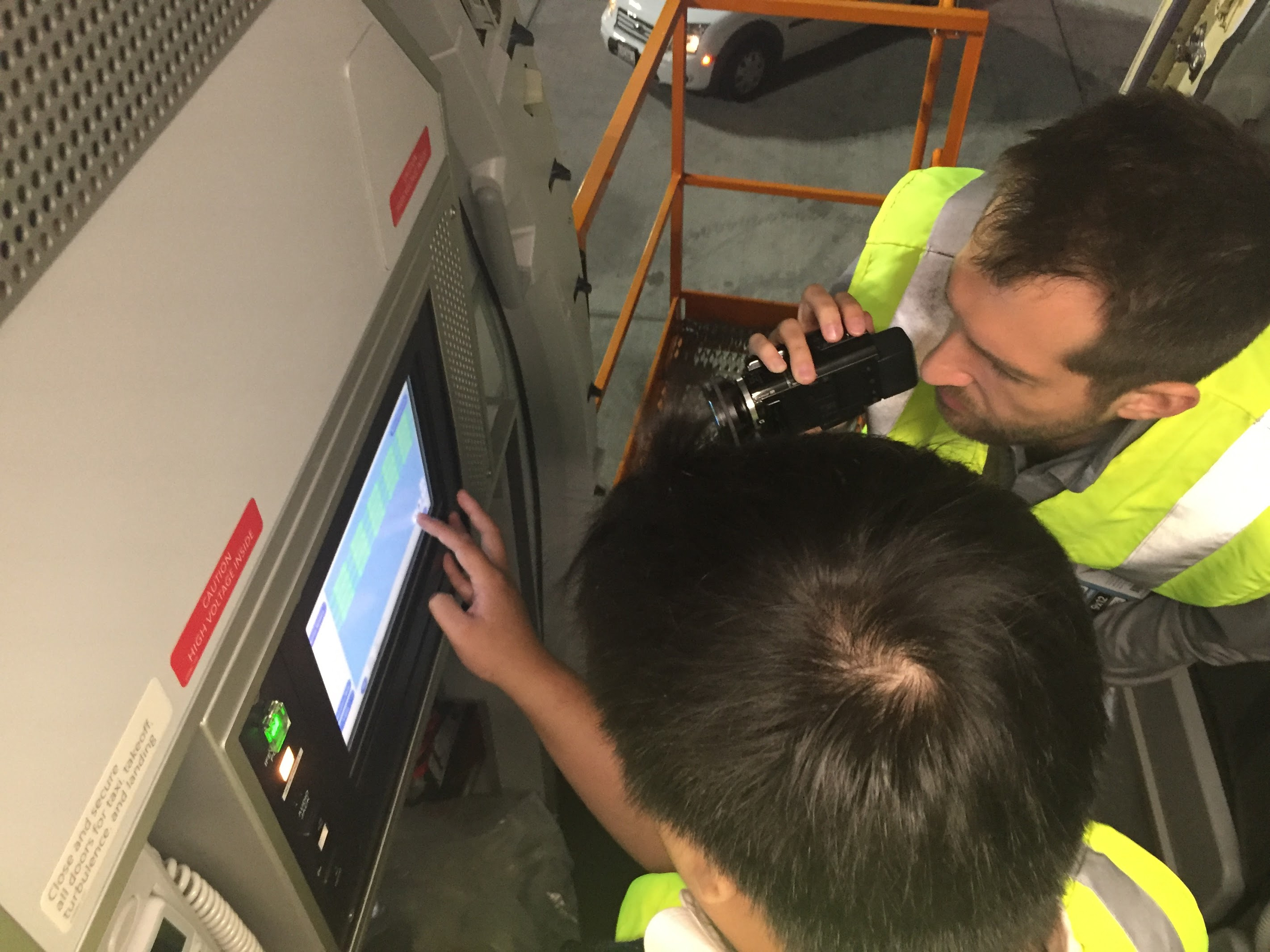
We observed maintenance technicians repairing IFE systems on airplanes, capturing video that highlighted differences between simulated flows and real-life usage. These video stories from the field convinced the client executive team of the need for a technician-optimized interface by highlighting where and why time was wasted.
Deriving insights beyond the user
User research isn’t the singular best way to understand where an industry is heading. Technology, the economy, public policy, and other factors beyond the personal experiences and needs of people shape how an industry could evolve.
In a project investigating the evolution of mobility, we combined several different research streams to gain a comprehensive picture of what the future might hold. We spoke with “edge” users – those whose behaviors are less common but may be signals of future trends – as well as subject-matter experts and think tanks like the MIT media lab. We then hosted a futurist panel discussion and invited our client to sit in, allowing them the opportunity to engage directly with the assembled experts.
By using these three principles for how to approach research – analyze in parallel, expose and collaborate, and focus on delivery – we are able to deliver actionable insights to our client partners in an efficient and compelling way, while keeping them in the loop as collaborators throughout the process.
While the future is always unknown, the pandemic has amplified our awareness of uncertainty, implicating many facets of life that were once thought of as enduring.
This series explores this altered landscape through the lens of critical uncertainties and narrative sketches of potential 10-year futures. These scenarios are not predictions – they illustrate a range of plausible outcomes that may help challenge prevailing assumptions, spark discussion, and inform more resilient strategies.
The strategic question
In light of the current pandemic, how might the future of mobility evolve in the US by 2030? Will the pandemic act as a catalyst for significant change, or will we observe a return to the norm?
The model
Mobility scenarios often focus on technology (e.g. autonomous, AI, electrification, etc.) and innovation/policy (e.g. new business models, regulation, etc.). Looking ahead, the mobility landscape may also be impacted by other factors we have previously taken for granted:
1. Norms regarding shared space and resources
How might policies and attitudes toward density, crowds, personal/public space, and shared resources/services affect mobility behaviors?
2. The future of work
How might changes in work – specifically the trend toward decentralized and asynchronous knowledge work and the “death of the office” – contribute to secondary effects that impact mobility?
The interaction of these dynamics leads to the following scenarios:
Four scenarios
1. View from 2019
Work is more centralized + Sharing increases
2030 looks a lot like we thought it might in 2019. Pandemic effects were relatively short-lived – with most people returning to old patterns of work and lifestyle once the virus was contained. The office remains the dominant paradigm for professional work and the car remains the primary means of transport around which everything else is built. In large and affluent cities, AI manages the commute for many, in concert with connected vehicles, ride-sharing services, increasing numbers of autonomous vehicles, and a smattering of micro-mobility solutions that come and go. More and more organizations are organizing their own solutions, and the company bus is simply an extension of the office. Poor neighborhoods, smaller cities, and rural areas are increasingly left behind, as access to stable and well-paid work declines, income inequality widens, and the middle-class contracts.
2. Urban Utopia
Work is more decentralized + Sharing increases
Work is a hybrid activity – taking place in new, shared offices, at home, and elsewhere, but still somewhat linked to geography. Large cities are still the nexus of culture and commerce. City planners moved aggressively during and after the pandemic to create more livable cites – closing off major roads to vehicle traffic and moving toward pedestrian and bike-friendly infrastructure. E-bikes and scooters are everywhere. Retail is thriving as a destination experience, while traditional office space is being converted into mixed-use spaces and apartments which are available as part of innovative and affordable sharing models that have increased access to housing. Delivery has become the dominant means of acquiring everyday goods. The automobile is increasingly irrelevant in the city but remains a necessity in the suburbs and beyond.
3. Solo Commute
Work is more centralized + Sharing decreases
As some experts predicted, the virus is still with us, although we have become adept at managing its impact. The initial experiment in remote work proved a mixed bag, leading many firms to create new workspaces designed to foster optimal levels of collaboration and productivity while maintaining new and sometimes elaborate hygiene policies. Cities are particularly dysfunctional, as mass transit ridership has declined, reducing revenue and thwarting needed improvements. Safer alternatives and micro-mobility have proliferated, exacerbating challenges with aging infrastructure and a car-centric world. Traffic is getting worse each year, and the suburbs are growing. Those that can commute by car do so, parking some distance from the office where they access autonomous company transit designed for individual privacy and cleanliness.
4. Rural Shift
Work is more decentralized + Sharing decreases
The effects of the pandemic have been deep and long-lasting, particularly in terms of attitudes toward public/private space, density, and perceived safety. The office is dead. As more companies adopted remote, decentralized and asynchronous work policies, many people migrated from coastal cities to more affordable and less congested locales – breathing new life into small towns as large cities have struggled. Along with work, everything that can happen online does, including higher education, which has become increasingly vocational. The talent economy has created both opportunity and disruption. The economic effects of the early 2020s have lingered – inspiring new priorities and less conspicuous consumption. Even so, personal vehicles are a symbol of the utility they provide and the lifestyles they enable. Fewer people are flying, and the road trip is back.
Looking Ahead
This framework rests on various assumptions – for example that the percentage of people able to work remotely will continue to grow (currently estimated at ~40%). In a future where roughly half of workers are remote, it goes without saying that the other half will need to get from A to B much like today. Likewise, a wide range of services and experiences will require physical presence regardless of how the pandemic plays out.
Even so, the impacts are potentially significant. These scenarios aim to explore the edges of what is possible and the dynamics at play. In some ways, 2030 will look like today, and in other ways it will be quite different – the question is in which ways, and to what extent. Will you load groceries in an electric SUV, receive delivery by drone, ride an e-bike to the market, hail an autonomous shuttle, or take public transit? Yes, probably.
“You can design and create and build the most wonderful place in the world. But it takes people to make the dream a reality.” – Walt Disney
After almost 14 years at Artefact, I will be stepping down as co-CEO on June 11, 2020. Rob Girling will serve as sole CEO, and I will remain a partner in the company and an advisor to leadership. As always, we remain fully committed to our customers, continually striving to make a positive impact in the world through our work together.
It has been an honor and
a privilege to work with the Artefact team over the years. You have helped
build something truly special and made my dream of a purpose-driven design studio
a reality – thank you. And to the companies who chose – and continue to choose –
to work with us, I am sincerely grateful for your trust and allowing us to work
alongside you to bring your ideas to life.
I want to thank Rob for
being such an inspiring business partner and friend – I could not imagine a
better collaborator. Rob and the Artefact team will continue to deliver the
world-class design that has made Artefact one of the best in our field, and I
am excited to see him lead Artefact to new heights.
Lastly, I’d like to
thank my wife Jenny for being so supportive when I first decided to ditch the
corporate life and start my own business. This move has been in the works for
some years, and as for what comes next, I do plan to relax for a while, explore
some new interests, and spend time with my family and reconnecting with
friends.
Thank you, Artefact for
a remarkable journey!
Sincerely,
Gavin Kelly
Event
Designing Digital Community for a Remote World
This webinar is part of our Impact by Design events series. In the face of the COVID-19 pandemic, we’re all experiencing new ways of communicating, collaborating, and problem-solving. At Artefact, we want to share the experiences and insights that we are learning as we navigate this new terrain with our partners. Join us in exploring how to use design to adapt to uncertainty.
Baobab is a digital social learning platform for African students who are part of the Mastercard Foundation Scholars Program. Designed by Arizona State University and Artefact, it provides learning tools, mentorship, and opportunities to connect and collaborate with other Scholars across the continent.
Baobab has been a key tool to help students who can no longer access their campuses due to the evolving COVID-19 pandemic continue their learning. In this virtual session, Artefact’s Eric Croskey and Bethany Weigele of Arizona State University discuss how the Baobab platform pivoted to deliver learning content in new ways, and the features and modalities digital communities need to help people engage, learn, and collaborate in a remote world.
This webinar is part of our Impact by Design events series. In the face of the COVID-19 pandemic, we’re all experiencing new ways of communicating, collaborating, and problem-solving. At Artefact, we want to share the experiences and insights that we are learning as we navigate this new terrain with our partners. Join us in exploring how to use design to adapt to uncertainty.
Decision-making is often fraught with uncertainty. How can we adapt design principles that support clinical decision-making to navigate the ambiguity facing public health today?
In this webinar, Artefact Executive Creative Director and Healthcare Practice Lead Matthew Jordan and Kaiser Permanente Washington Health Research Institute Associate Investigator Karen Wernli explore how design can support the clinical decision-making process with data in the face of uncertainty.
The conversation draws from the Artefact-KPWHRI partnership designing the SIMBA decision aid app helping breast cancer survivors make informed choices about their breast imaging options. Discover key design principles that can inform our approach to the current pandemic – and future public health issues.
Remote Reality: How to Adapt Methods and Maintain Momentum for Workshops
Image courtesy of Splash International
This webinar is part of our Impact by Design events series. In the face of the COVID-19 pandemic, we’re all experiencing new ways of communicating, collaborating, and problem-solving. At Artefact, we want to share the experiences and insights that we are learning as we navigate this new terrain with our partners. Join us in exploring how to use design to adapt to uncertainty.
International development organization Splash and Artefact partnered to facilitate a three-day strategy summit for their girls’ menstrual health programs in Ethiopia and India. Convening the world’s leading menstrual health experts, the original intention of the summit was to set a vision, strategy, and defined roadmap for Splash’s menstrual health interventions. Due to the evolving COVID-19 pandemic, Splash and Artefact pivoted the event into a virtual summit with clear, actionable next steps for all 30 participants across several different countries.
In this webinar, Artefact Design Director Hannah Hoffman sat down with Emily Davis, Program Manager for Menstrual Health from Splash, to share three principles that guided us in adapting design thinking methods for success in a remote environment. Learn actionable strategies for adapting your work that will serve you in our current remote reality – and the future to come.
Dear Clients, Design Community, and Artefact Family,
We have been closely
monitoring the Coronavirus 2019 (COVID-19) pandemic and wanted to send out a
note to our community about what we are doing and how we have been updating our
procedures based on recommendations
from the Center for Disease Control (CDC), as well as state and international
agencies.
As always, our first priority is to protect the health of our clients, employees, their families, and those in our community.
Additionally, we want
to continue to pivot our working styles and collaboration methods so that we
can do our part to slow community transmission of the virus while continuing to
deliver the highest quality work.
In order to achieve this, we are following guidance for social distancing and beginning last Thursday, we recommended that all Artefact employees work virtually, from home until at least April 24, 2020. Pending changes in recommendations from the CDC and local public health organizations, this date will likely be extended. As a digital agency, we are fortunate that all our tools and services are cloud based and that we’ve experienced minimal disruption moving entirely to a telecommuting posture. We are encouraged to see our staff exercise considerable creativity in how they are utilizing tools in order to effectively collaborate, design, and run workshops while working remotely with our clients.
We also stopped all domestic and international work travel until further
notice. Our studio is in the epicenter of the US outbreak and we find ourselves
in a position of needing to make responsible choices to reduce the spread of
COVID-19.
If you are a current client, you may have already seen or heard about these changes in how we are conducting business and we want to say thank you in advance for your adoption of these working styles given the volatile state we are all in.
We’ll continue sharing updates on the COVID-19 situation as they
evolve. If you have questions, please reach out to shauna@artefactgroup.com.
Stay safe and healthy,
Rob Girling, Co-CEO
Gavin Kelly, Co-CEO
Design
Dungeons & Dragons: A secret to stronger design thinking
Last year, a few colleagues at Artefact implored me to run a game of Dungeons and Dragons (D&D) for them, as none of them had played before. Though I played for years in college, I had never facilitated a game and was excited to give it a shot. Having rediscovered the hobby now as a professional, I realize that playing D&D has made me a better designer – not only because it allows me to develop related skills and flex creative muscles outside of the constraints of day-to-day professional work, but because it often reminds me of key philosophies and mindsets of design that are otherwise easy to forget.
Associate Strategy Director and dungeon master extraordinaire Jeff Turkelson
Becoming a Better Facilitator
“You disembark at the coastal city of Silverport just as
the sun sets below the horizon. Hundreds of sky lanterns hover just above the
city, illuminating the white stone buildings in a soft, warm glow. You’ve apparently
arrived during some kind of festival; a fellow passenger complains out loud
that it’ll be impossible to find any room at the inn with such festivities
happening. What do you do after stepping off the ship?”
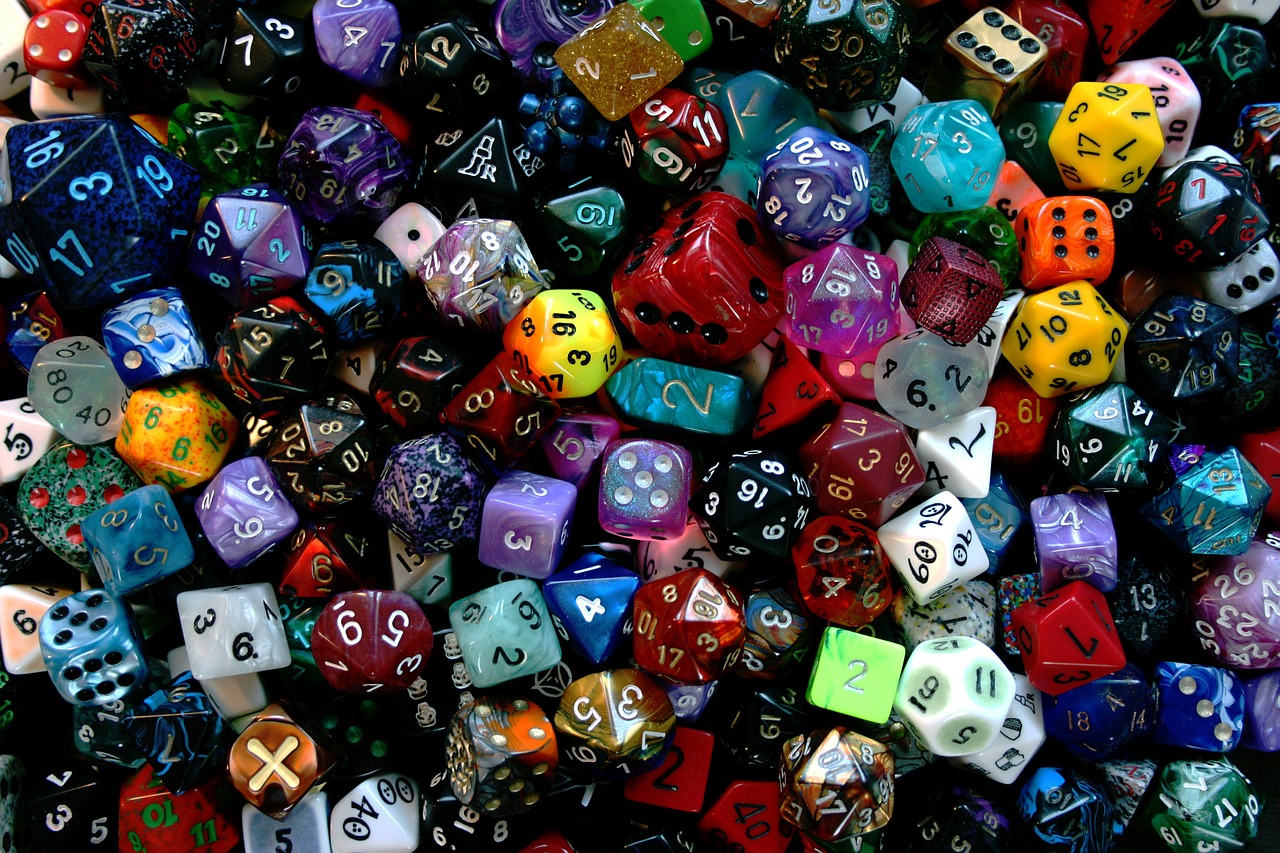
Dungeons and Dragons is a pen and paper roleplaying game
where people play fantasy characters like elvish wizards and dwarven
barbarians, fighting monsters to get loot and become more powerful. It’s
similar to a board game in that it’s typically played around a table using dice
and other paraphernalia, but unlike most board games where rules narrowly define
a few actions you can take during your turn, playing D&D is more like being
an actor in an improvised play where your options are open-ended. In this way,
D&D can be thought of as structured collaborative storytelling.
One person – referred to as the dungeon master (DM) or game master (GM) – facilitates the game by describing an imaginary world, while the rest of the players each take the role of a single character within that world. In the course of the game/story, the DM describes situations that the other players find themselves in, and the rest of the players describe what their characters do in response.
That’s the role I took on for my friends – creating a world and facilitating their adventures within it. It’s a lot of work, but taking on the mantle of DM has helped me become a better communicator and facilitator in a design context. As a DM you have to plan and create materials for each session that provide enough structure to be prepared, but flexible enough to accommodate the many different ways the game can play out. You have to manage different players’ inputs, making sure everyone is heard and invested in the experience. And you have to think on your feet to manage the extreme unpredictability of each session.
Leading a group along a collaborative, sometimes chaotic
journey of creation deeply parallels the skills needed to successfully
facilitate workshops with users, clients, and other stakeholders. Each session
of D&D may as well be another workshop under my belt.
Practicing Empathy
Player 1, the warrior: “We should just kill the bandit
leader and collect the bounty!”
Player 2, the priest: “No, my character believes everyone
deserves a chance at redemption. Let’s find another way.”
One of the first things a player does in D&D is create a
character sheet that describes not only their character’s name, skills, and
abilities, but also their behavioral traits, flaws, and goals. Do they respect
the law or do they play by their own rules? Are they selfless or on a personal
quest? Are they well-connected or a loner?
Playing a character isn’t just doing whatever it takes to
win the game, it’s acting how one’s character would behave in a given
situation, and sometimes that means doing something risky, costly, or
self-defeating. You have to consider their values, their motivations, and their
overall understanding of a situation (or lack thereof).
Designers often talk about building empathy for their users,
which typically amounts to doing some user research to better understand their
needs or soliciting feedback. But empathy is more than an intellectual
understanding of someone else’s preferences. Empathy is a degree of emotional
understanding, feeling the way someone else does and understanding why they
think and act the way they do.
Building empathy for users is a serious subject and of course a game is not sufficient on its own to fostering a consistently empathetic mindset. Yet empathy is one of the most important – and difficult to achieve – skills that a designer can have. Spending weeks, months, or years playing the role of people very different from yourself is good practice for when you are seeking to empathize with, not just understand, your users.
Managing Unintended Consequences
“You have discovered the scroll of cat summoning. When you read its incantation, a normal house cat appears at your feet. If the cat is lost or killed, reading the incantation will summon the same cat back at your feet.”
In the game I ran for my colleagues, I designed a magical “scroll
of cat summoning” as a fun little item for one of my players who loved cats. I
thought that giving them a pet in the game that could never be lost could offer
some nice narrative flourish. But what I didn’t expect was the party’s
immediate response upon discovering the scroll:
“Great! We have an unlimited supply of meat whenever we
travel!”
Had I stopped to think like an adventurer who would face the challenges of foraging and hunting for food on long, harrowing journeys, perhaps I would have realized my mistake.
Today, companies are facing public backlash for the
unintended consequences of their product decisions, and there is a growing
movement amongst designers and technologists to stop and consider the
unintended consequences of the things they create. It can be hard to appreciate
the value of thinking through the possible consequences of your design when it
all feels so theoretical, but I’m frequently reminded of its importance while
playing D&D.
Ready for your quest?
Each session of D&D is a designed experience, borne out
of research and planning, supported by crafted materials, and played out with
all of the unpredictability people are known for. Much like how speculative
design is an exercise in exploring a subject free from constraints like budget,
client needs, or technical feasibility, D&D is an opportunity to flex a
variety of design skills in a fun, engaging way that may not always be possible
in the context of day-to-day tasks.
Given the surge in popularity of D&D in the last few years, I’d be willing to bet most designers know someone in their office or class who could run a game with them. I encourage you to embark on your own quest and see what experiences and new skills you discover along the way!