In response to Merriam-Webster naming “AI slop” the Word of the Year for 2025, Artefact’s Neeti Sanyal and Jeff Turkelson led a webinar for designers and creative professionals exploring the growing impact of AI slop on our information economy, research and design practices, and workplace culture.
The webinar is divided into two parts. In the first, they define AI slop and examine its rapid proliferation across the internet. They unpack why it exists, how it spreads, and why it persists. Using examples from platforms such as Pinterest and Steam, they explore how companies are attempting to manage the flood of AI-generated content, and how, despite these efforts, AI slop contributes to a polluted information ecosystem and rising mistrust online.
The second half introduces a related phenomenon called “work slop”: low-quality outputs produced when AI tools are used without sufficient critical thinking or editorial judgment. Demonstrating AI tools like Google NotebookLM, slide deck generators, and Figma Make, they show how easily well-intentioned professionals can generate work that looks polished but lacks rigor. They argue that work slop not only lowers collective standards for quality, but can also erode trust in the people who produce it. Worse still, correcting sloppy AI output can create productivity setbacks, offsetting the efficiency gains AI promises.
They conclude with practical reflections on how individuals and teams can remain vigilant—adopting more intentional, critical approaches to AI use in order to mitigate its negative effects and preserve standards of quality in creative work.
People-Centered Approaches to Climate and Health Action: A Conversation with Leaders from Health in Harmony and the World Bank
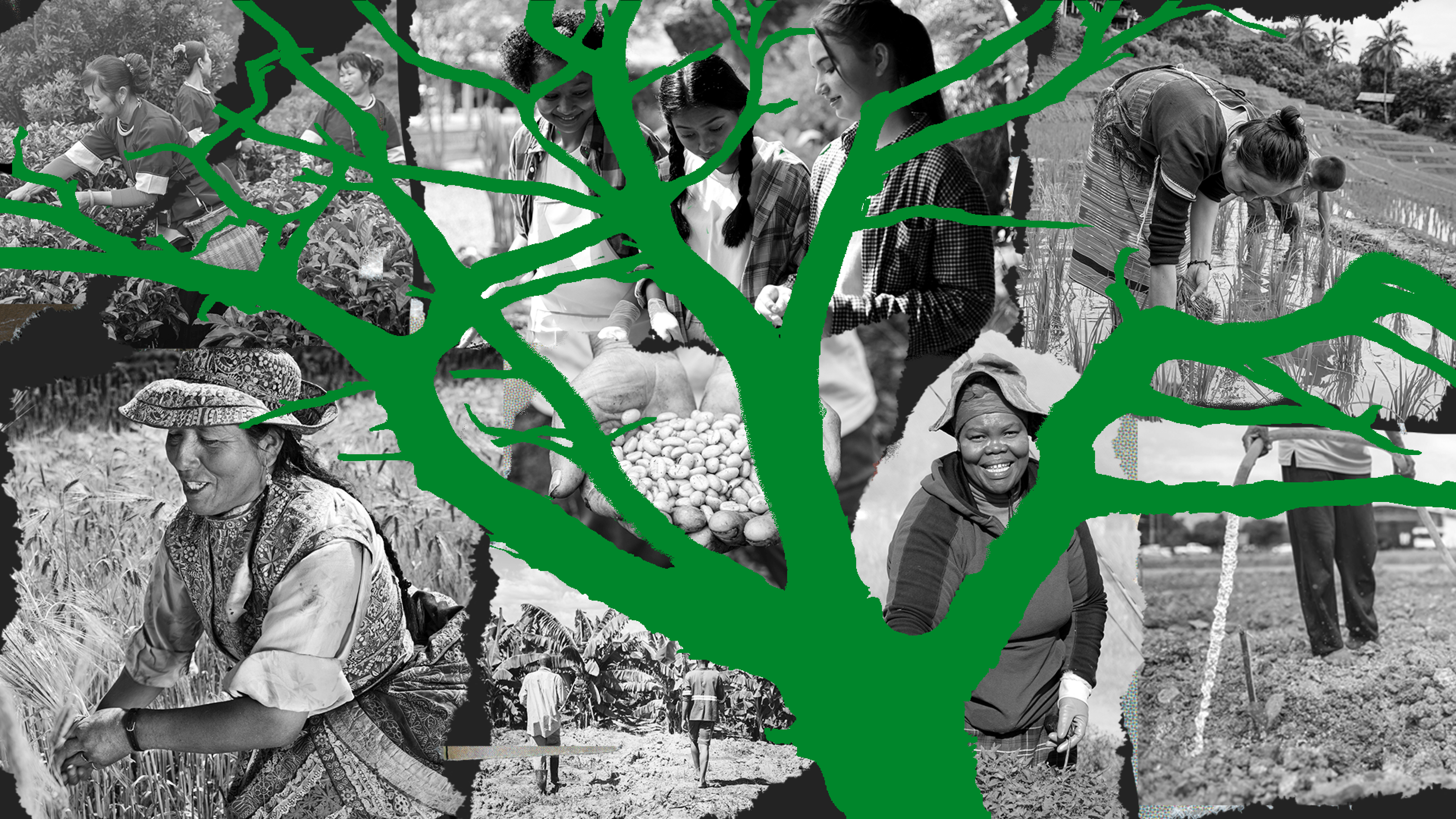
Climate change has direct impacts on human health, but those impacts vary widely by location. Local health impacts depend on a large number of factors, including specific regional climate impacts, demographics and human vulnerabilities, existing local adaptation capacity and resources, and cultural context. Therefore, organizations will need to tailor mitigation and adaptation strategies to the regional risks and contexts of different communities.
Participants at the 2023 Global Digital Development Forum called to move away from entrenched approaches that tend to look to top-down solutions to drive change. Instead, they suggested more holistic, inter-disciplinary, collaborative, and inclusive engagements that account for on-the-ground contexts and people-centered approaches. Participatory methodologies are well suited to bring local voices into conversations, decision-making, and equitable engagement.
In this panel discussion, Artefact’s Whitney Easton sits down with Health in Harmony’s Kinari Webb, MD and the World Bank’s Ezgi Canpolat, PhD to share the work they are doing to foreground the social dimensions of climate change and support planetary health. Through concrete examples, we will explore what is most difficult and most promising about working deeply and collaboratively with local partners and communities to craft a more resilient future for us all.
Topics include:
What does it mean in practice to put people at the center of climate and health action?
What’s most missing from existing approaches that attempt to reduce the health impacts of climate change, and what’s most promising on the horizon?
What can the COVID-19 pandemic teach us about how to work toward planetary health?
How might we better engage with cultural contexts and local realities as we design initiatives, particularly when it comes to ensuring impact and minimizing unintended consequences?
How can the predictive power enabled by Big Data and technology be balanced with local, real-life contexts to ensure that local stakeholders and citizens truly benefit?